AN INDEPENDENT USER GUIDE
Trezor Suite:
A Simple Guide to the Desktop & Web App
A clear-eyed introduction to the companion software for managing a hardware wallet—from getting oriented to building careful everyday habits.
Explore the guide ↓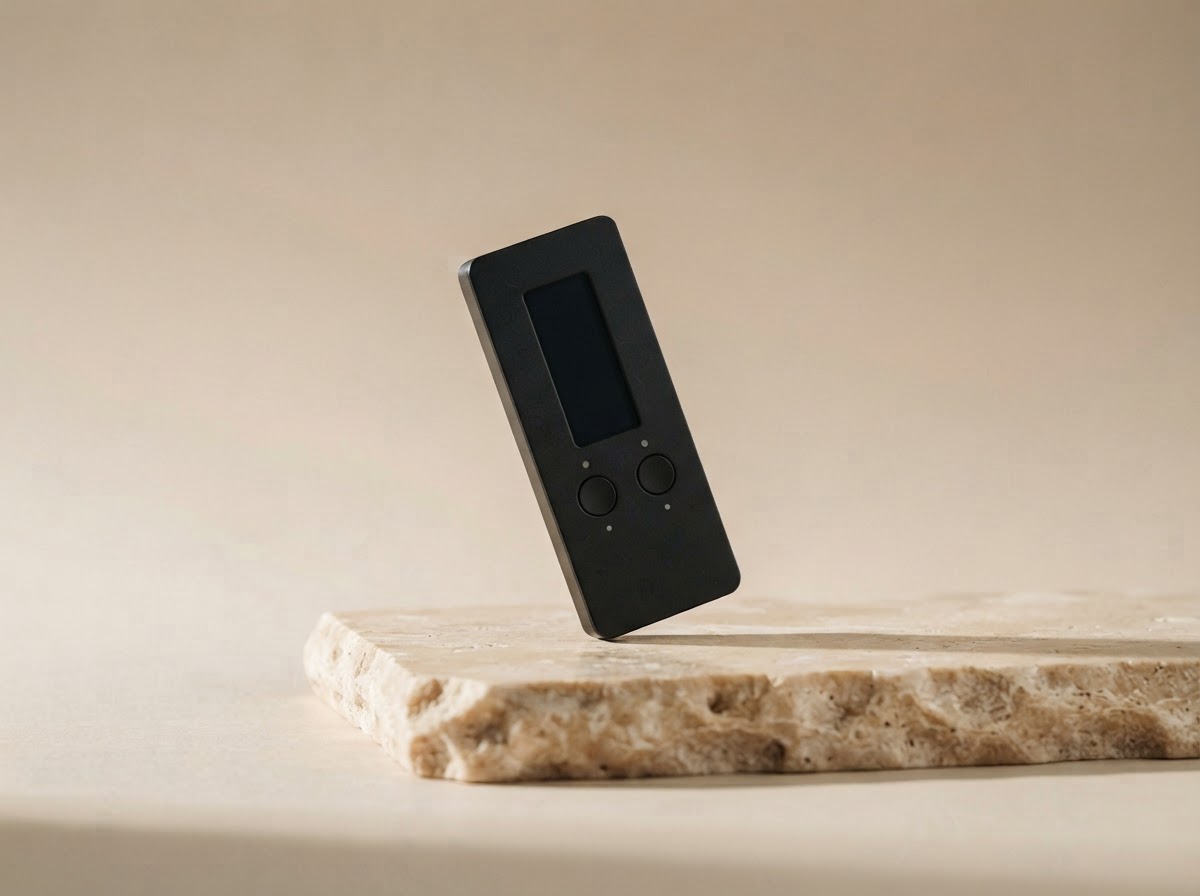
Trezor Suite Overview
Trezor Suite is companion software designed to work with a Trezor hardware wallet. It provides an interface for viewing accounts and assets, checking activity, and preparing transactions. The hardware wallet remains a separate device: the Suite is where you review information and set up an action, while the device is involved in confirming sensitive operations.
This guide is informational and independent; it is not an official Trezor resource. Product details and supported features can change, so verify current instructions through Trezor’s own published materials before installing software or moving funds.
A useful distinction
A wallet interface helps you manage access and transactions. It does not itself hold coins in the way a physical wallet holds cash.
What Users Can Explore
Depending on device, configuration, region, and software version, Suite may let you look through account balances and transaction history, organize accounts, review portfolio changes, and prepare supported transfers. Asset availability and particular features vary; an asset shown in a portfolio is not a promise that every action is available for it.
Think of the overview as a starting point, not a trading terminal. Spend time learning how accounts are labeled, how transactions appear after confirmation, and which network applies to an asset. Familiarity makes it easier to notice when a screen or request does not match your intention.
Desktop Experience
The desktop app is installed on a computer and can be a comfortable choice when you want a larger view of accounts and activity. Download software only from a source you have independently verified. Before opening an installer, carefully check the address and follow the publisher’s current verification guidance where available.
After opening Suite, connect your device using a trusted cable and follow the on-screen setup prompts. Take your time with updates, account discovery, and any security notices. Close the application when finished, especially on shared computers, and keep the operating system and browser environment maintained.
Web Experience
The web experience offers access through a browser rather than a separately installed desktop application. It can be convenient, but convenience makes careful address checking especially important. Navigate to the service using a trusted bookmark or a known official source; do not rely on links in unsolicited messages, sponsored results, or pop-ups.
Check that the page is the expected one before connecting a device. Never type a recovery seed into a website, chat, email, or computer app. A legitimate support interaction should not need your recovery words. When uncertain, stop and consult verified documentation instead of trying a link supplied by someone else.
Connecting a Hardware Wallet
Start with a device you control and a computer or browser you trust. Connect it, unlock it using your usual method, then read the prompts on both the Suite screen and the hardware wallet. Confirm details on the device itself; a computer display can be misleading if the computer is compromised.
Before approving a transfer, compare the destination and amount with what you intended. If the address differs, the amount seems unfamiliar, or an unexpected prompt appears, cancel and investigate. Never approve an operation simply because a countdown or message claims it is urgent.
Security Considerations
Security depends on several layers: the authenticity of software, the safety of the device and computer, careful review of transaction details, and protection of recovery information. A hardware wallet can help keep signing separate from a general-purpose computer, but it cannot make every surrounding device or decision risk-free.
Use a screen lock and current software on your computer. Avoid public or shared machines for wallet access. Treat unsolicited “support” messages, unexpected recovery prompts, and claims that you must reveal secret words as warning signs. Seek help using contact routes you verify yourself, and do not share sensitive recovery details with anyone.
Recovery Information
Recovery words represent critical access to a wallet. Anyone who obtains them may be able to control the associated funds. Keep them private and offline, following the instructions supplied with your device. Do not photograph them, save them in cloud storage, enter them into Suite, or send them to a person claiming to provide support.
Make sure you understand your device’s recovery process before you need it, using current official documentation. Consider how you will protect the backup from loss, damage, and unauthorized access. Never experiment with recovery procedures using words that protect funds you cannot afford to lose.
Software Maintenance
Updates may include compatibility changes, fixes, or new features. Review update notices and release details from trusted sources, then follow the documented process. Avoid third-party installers and do not let a stranger remotely control your computer to “fix” a wallet issue.
Keep a record of which device and software versions you use, without recording secrets. If an update request appears in an unexpected context, pause and verify it independently. A cautious update routine is better than reacting to an urgent prompt.
Common Beginner Mistakes
Common missteps include downloading from an unverified link, confusing a network or account, overlooking small differences in an address, and assuming a displayed balance means a transaction has completed. Another serious mistake is sharing recovery words to resolve a routine connection or support issue.
Build a slow, repeatable process: verify the software source, check the account and network, review transaction details on the hardware device, and keep recovery information private. If something looks different than expected, do not proceed until you understand why.
Frequently Asked Questions
Is Trezor Suite the same as a hardware wallet?
No. Suite is companion software; the hardware wallet is a physical device. They work together, but they are distinct parts of a wallet setup.
Should I enter my recovery words in Suite?
No. Do not enter or share recovery words in a website, computer app, email, or chat. Use only the documented recovery process for your device and verify instructions independently.
Is desktop or web better?
Neither is universally best. Choose based on your needs and use a verified source, a trusted environment, and careful device confirmation with either option.
Why might an asset or feature be unavailable?
Support can depend on the asset, device, software version, and region. Check current product documentation for the specific combination you use.
A calmer way to get started.
Trezor Suite brings account information and wallet actions into a companion interface, but good habits remain essential. Learn the layout before acting, verify software and destinations, confirm sensitive details on your device, and keep recovery information entirely private. When a request feels rushed or unusual, pause and check trusted documentation.
A simple pre-flight checklist
- ✓ I opened Suite from a source I verified.
- ✓ The account, network, amount, and destination are expected.
- ✓ I reviewed transaction details on my hardware device.
- ✓ My recovery information remains private and offline.